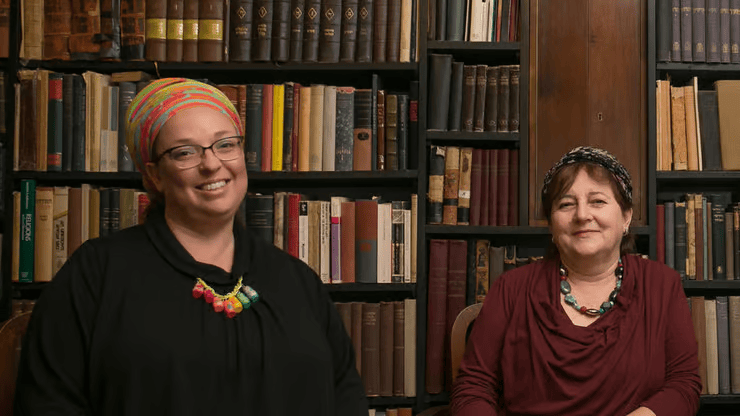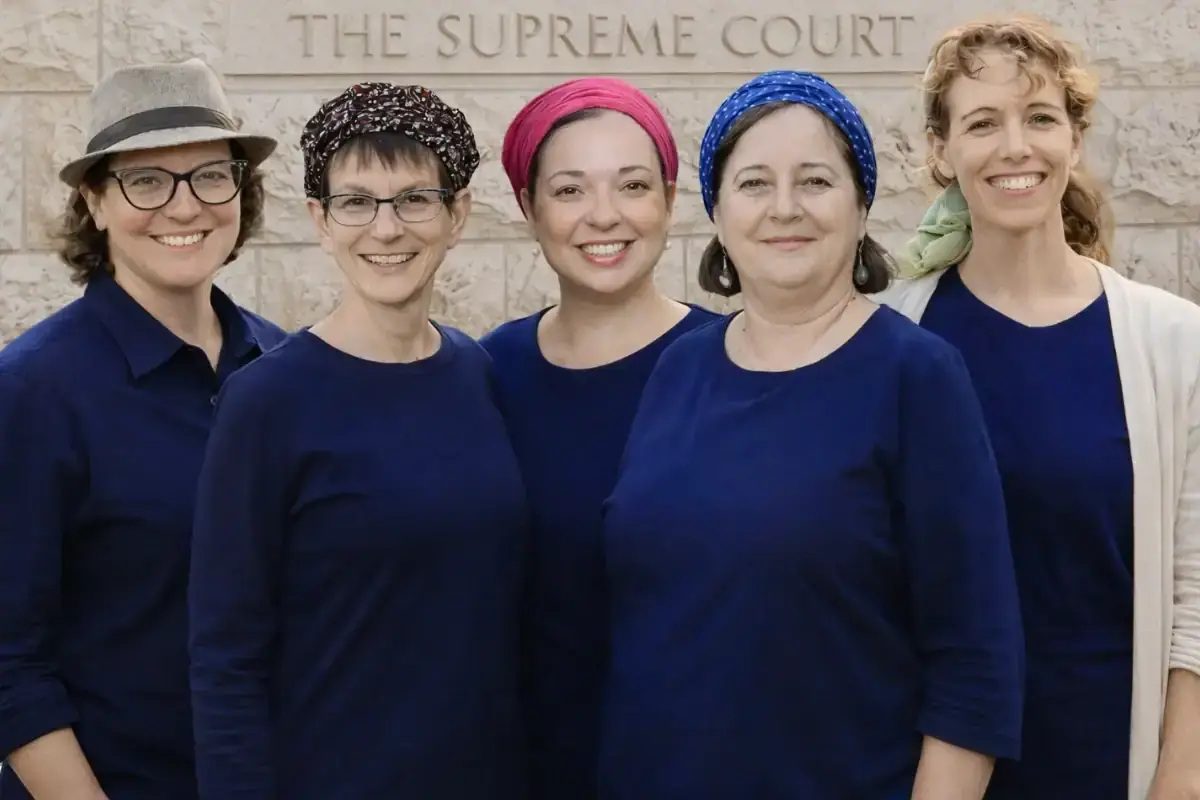

In an op-ed written by Adv. Ayelet Razin Bet-Or on the occasion of the historic Supreme Court ruling that granted women access to the rabbinical ordination exams, the decision was placed within a biblical and social framework. Razin Bet-Or drew a parallel between the story of the daughters of Zelophehad in Parashat Pinchas—who fought to inherit their father’s land and received divine affirmation, “The daughters of Zelophehad speak rightly”—and the petition of contemporary women scholars to the Supreme Court, demanding their right to be examined in halakhic law. Just as the daughters of Zelophehad reshaped legal reality while remaining faithful to tradition, so too the petitioners have redefined the boundaries of religious institutions through their call for gender equality.
Razin Bet-Or emphasized that the ruling is not merely a legal decision but a living expression of women’s activism, a steadfast insistence on the right to speak, study, and lead. In this sense, the Court’s decision represents not only a personal victory for the petitioners—among them Rabbanit Sarah Segal-Katz and Rabbanit Rachel Keren—but also a crucial step in strengthening the moral fabric of Jewish society in Israel. At the same time, she cautioned that the path ahead remains long: from the ruling itself to the transformation of public consciousness, within rabbinical courts, religious councils, and all arenas where women are still excluded.