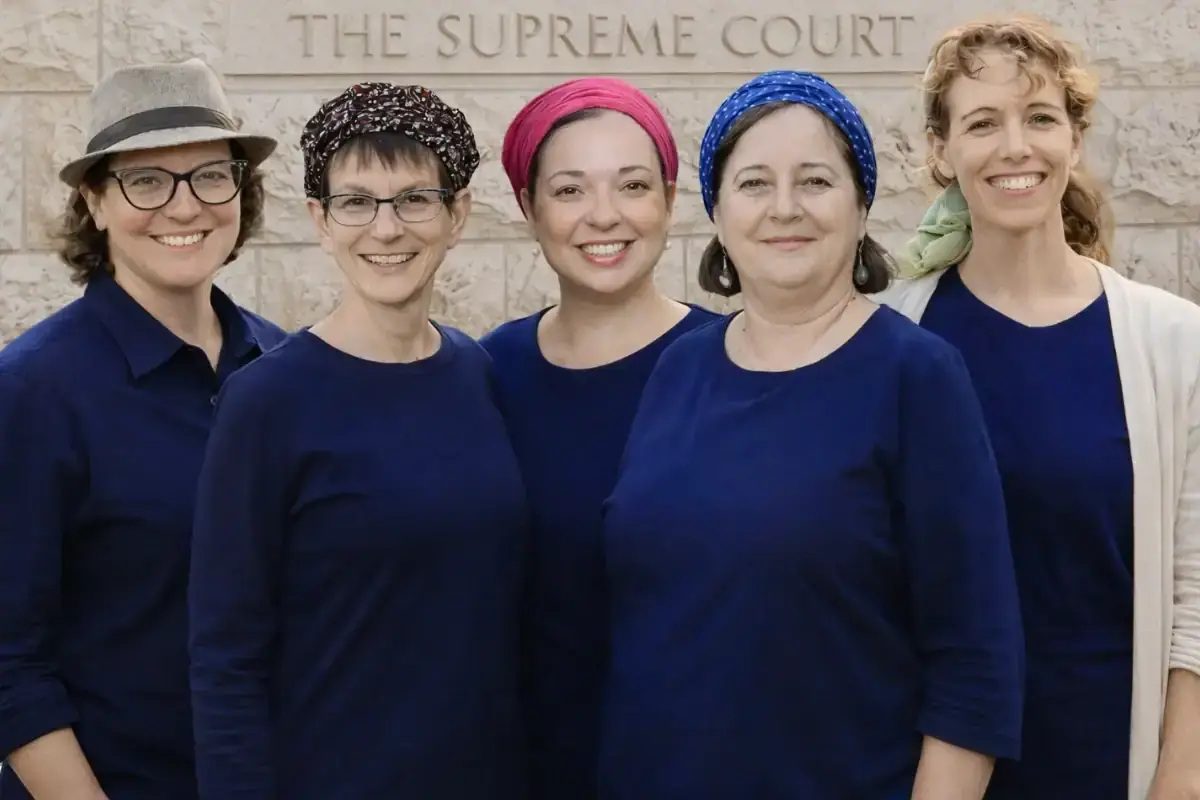
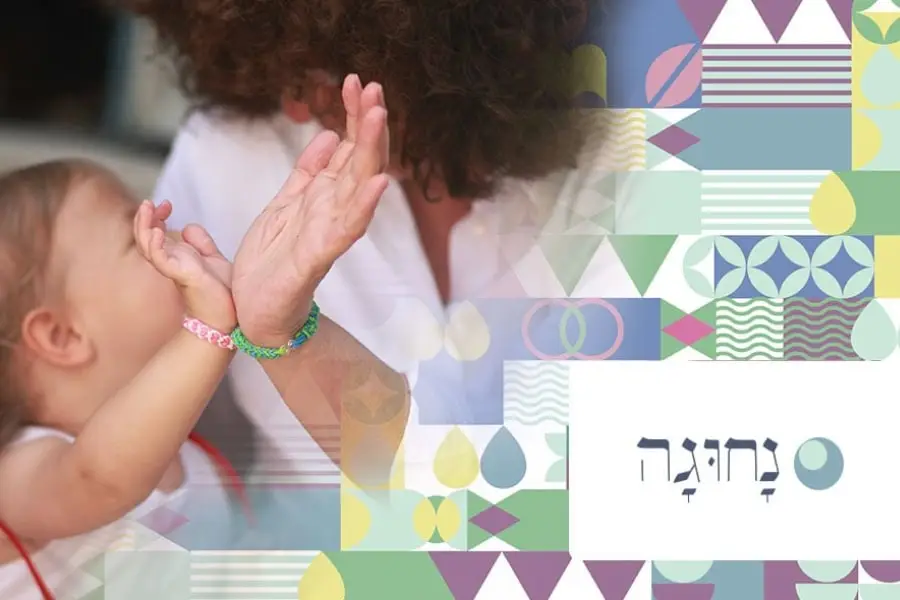
On Tu B’Av, 5780 (August 2020), about half a year after the launch of Gluya Magazine, we inaugurated an additional section of the site dedicated to life-cycle rituals – Nahuga (נָחוּגָה). The project was developed collaboratively by Rabbanit Sarah Segal-Katz, Choresh El-Ami, Merav Lamberger, and the Gluya editorial team.
Even before the official launch of the magazine, we had worked on building a ritual framework: essays, practical structures for renewing ceremonies, poetry, and prayers. The aim was to provide individuals, couples, families, and communities with resources for deepening the ritual dimension of their lives. The column seeks to add a contemporary layer to established ceremonies—such as through the inclusion of women—while also creating new rituals that address emerging needs in broader society.
The name Nahuga, suggested by Shira Ben-Sasson Furstenberg, is drawn from a poem by H. N. Bialik, “Uga Uga” (“Circle, Circle” – and not “Cake, Cake” as sometimes mistakenly thought), which includes the line “Ba-ma‘agal Nahuga” (בַּמַּעְגָּל נָחוּגָה, “in the circle we shall go round”). The image of the circle evokes the cycles of life—joyous and sorrowful alike—embracing both established rituals and the call to create new ones. The column reflects Gluya’s broader vision of “speaking openly about what is hidden” and seeks to provide knowledge, language, and tools that empower ritual autonomy: understanding the components of a ritual, recognizing its structures and recurring questions, and enabling each person to design ceremonies attuned to their lives.
Within Nahuga, readers will find essays written by the Gluya staff as well as by additional contributors, alongside personal reflections and practical proposals for rituals that may be adopted in full or adapted to one’s own context. Nahuga positions itself within the wider conversation on the integration of halakha and tradition with creativity and contemporary relevance, encouraging active participation in shaping ceremonies and foregrounding women’s and men’s equal presence within them. It aspires to return ownership of ritual to the local, familial, and communal sphere, enabling a broader partnership that includes women and men, elders and children alike.
The establishment of Nahuga rests upon the accumulated work of numerous initiatives and organizations, among them Itim, Nigun Nashim of the Oranim Midrasha, the organization Panim, Beit Midrash Elul, and Alma – Home for Hebrew Culture, alongside many authors who have published books and articles in this field. Together they have expanded the discourse on the significance of ritual in both personal and communal life, laying a foundation for diverse activity that bridges Judaism in the present with contemporary society. Our gratitude is extended to them all, and we have dedicated a special Acknowledgments page within Nahuga to honor their contributions.
Different sections of Nahuga and with several foundational essays
The Vision of Nahuga
Ritualizing Life – An Introductory Essay
On Rituals and Rituality
Family Rituals
Wedding and Kiddushin Rituals
Divorce Rituals
Mourning Rituals
The Annual Cycle