Published articles
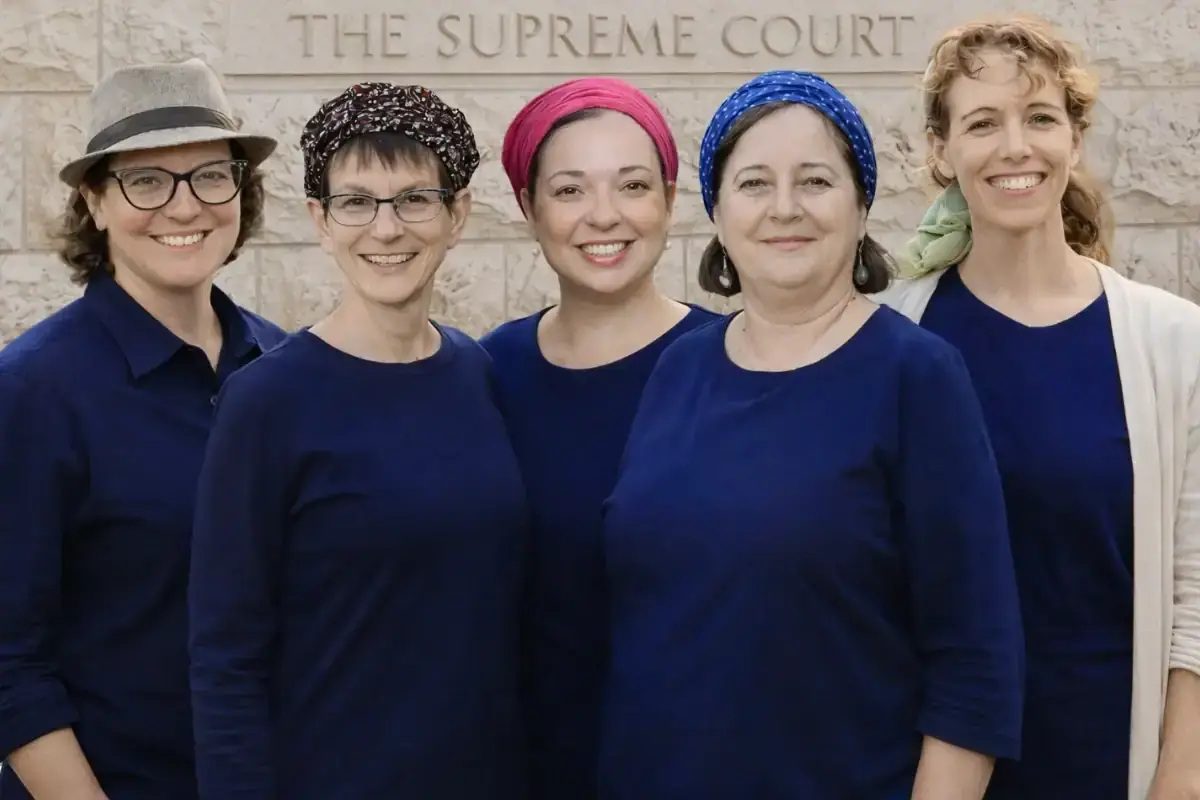
For the first time in Israel's history: Rabbinate exams open to women. A historic victory after 7 years — but the fine print raises concerns
Finally, women like me can take the Rabbinate’s exams in Jewish law * The Supreme Court has ruled that a policy of ‘only men’ is discriminatory, but will Israel’s Chief Rabbinate uphold that decision?
Ahead of the activity week of Israeli Rabbinate, dedicated this year to the theme “Torah, Leadership, and Choice,” Rabbanit Sarah wrote about the frustrating reality of the past six months: it has simply been impossible—for both men and women—to register for the Halachic examinations of the Chief Rabbinate of Israel. This situation began not long […]
Op-ed: Rabbanit Sarah on the Rabbinate’s stay and rehearing in HCJ: Exams aren’t just ordination; opening them to women is a civic duty.
On Yom Kippur and the Shalosh Regalim, Yizkor is recited. This reflection urges all to remain in the shul, sharing loss in solidarity with those who pray.
As Moses steps down, he blesses Joshua with courage. Read in the Ten Days of Repentance, Vayelech stirs us to choose wisely—between life and death, blessing and curse.
Tracing nearness and distance—Torah not in heaven nor beyond the sea—reflecting on pain since Oct. 7 and on hope for renewal and healing.
Parashat Ki Tavo column in Times of Israel: hearts, eyes, and ears opened anew—between collective trauma and a search for light and hope as Deuteronomy and the Hebrew year draw to a close.
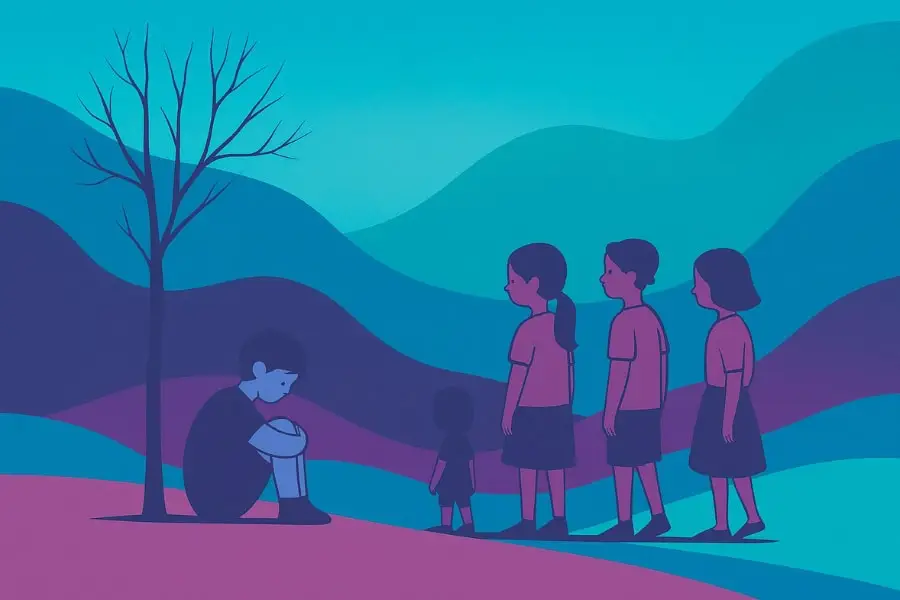
Biblical teachings on not ignoring suffering applied to social ostracism in schools, featuring poetry and the Kanfei Dror intervention method.
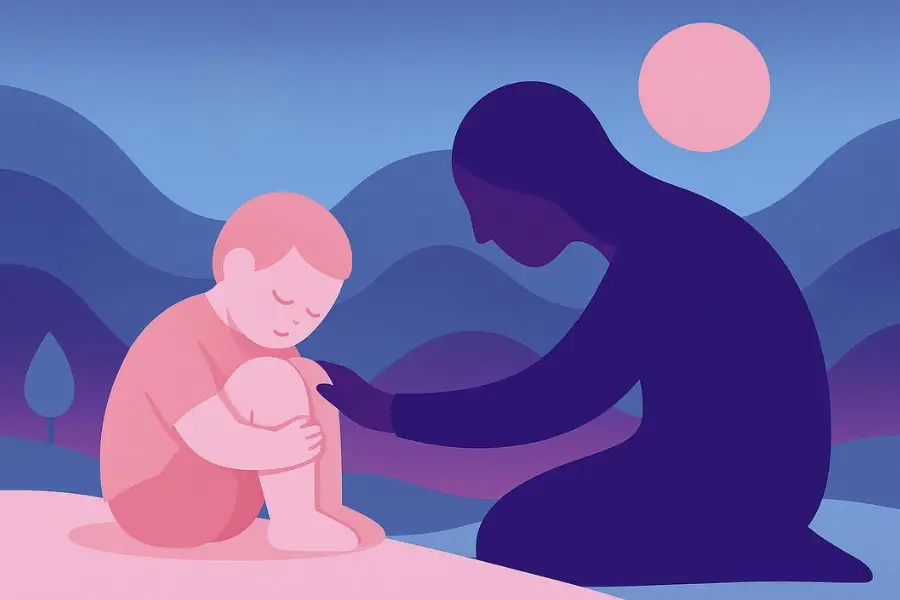
This article explores the gap between halakhic exemption of minors from mourning and their lived grief, proposing Jewish rituals for bereaved children—tragically urgent since October 7.
Dvar Torah on Parashat Re'eh 5785: Choosing between blessing and curse, Levinas' "difficult freedom," individual and collective responsibility.
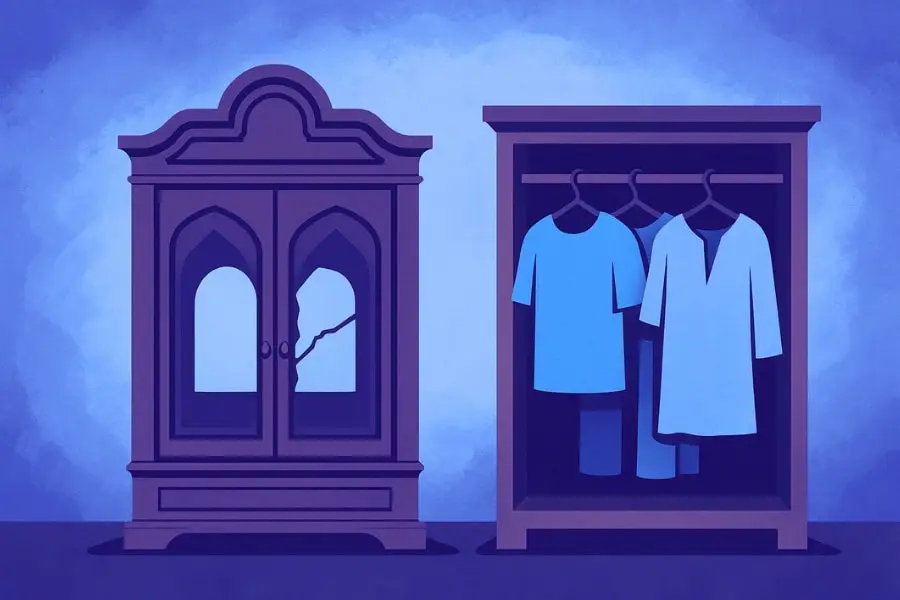
Dvar Torah for Parashat Eikev 5785: On life alongside rupture, the connection between physical break and spiritual tear, and living with memory.
The exposé on The Source (=Hamakor) highlights the silence of schools around abuse and warns how religious language and community bonds can shield perpetrators.
A landmark High Court ruling opens rabbinic exams to women. In a TikTok, Rabbanit Sarah recalls when Rabbi Soloveitchik was silenced—just for teaching women Talmud.
Dinah’s rape in Parashat Vayishlach echoes the painful reality of sexual violence today. Faith communities face the challenge of creating safe, protective spaces.
Biblical commentators do not address Dinah’s desires or the harm she endured. The Shabbat on which her story is read offers an opportunity to amplify the voices of survivors.
How do we find words when words are kidnapped? Rabbanit Sarah Segal-Katz on yearning for clarity amid fog, choosing to let light grow from within
On the wilderness journey as life metaphor, God's presence in the cloud, dealing with difficulties, and communal responsibility to ease others' burdens.
An ethnographic study of women’s mikva’ot during COVID-19, exploring the tension between Taharah (ritual purity), hygiene, and navigating halakha vs. health.
A joint article examines our responsibility in the realm of mikvaot—from immersion safety to the need for sanitary oversight. The article reviewed the first year of COVID-19 in mikvaot: issues of safety and sanitation, civic initiatives, and a call for cooperation between government authorities, the rabbinate, and the public.
A joint article calls for addressing poor sanitation in mikvaot and ensuring transparent oversight, stressing that ritual immersion must not endanger women’s health.
The Nahuga section of Gluya Magazine offers essays, poetry, prayers, and proposals for renewing life-cycle rituals that bridge tradition with contemporary relevance.
Halakhic scholar women already serve as decisors, yet remain unrecognized. The Rabbinate’s refusal to test them is unjust discrimination.
For us, home birth is a conscious choice: a familiar, safe space, full partnership, trust in the body and creation—birth as both family and spiritual experience.
“From Singlehood to Marriage – An Unspoken Spiritual Transformation” explores the identity and spiritual shifts of marriage, offering a deep look at its inner journey.