Ahead of the activity week of Israeli Rabbinate, dedicated this year to the theme “Torah, Leadership, and Choice,” Rabbanit Sarah wrote about the frustrating reality of the past six months: it has simply been impossible—for both men and women—to register for the Halachic examinations of the Chief Rabbinate of Israel. This situation began not long […]
As Moses steps down, he blesses Joshua with courage. Read in the Ten Days of Repentance, Vayelech stirs us to choose wisely—between life and death, blessing and curse.
Parashat Ki Tavo column in Times of Israel: hearts, eyes, and ears opened anew—between collective trauma and a search for light and hope as Deuteronomy and the Hebrew year draw to a close.
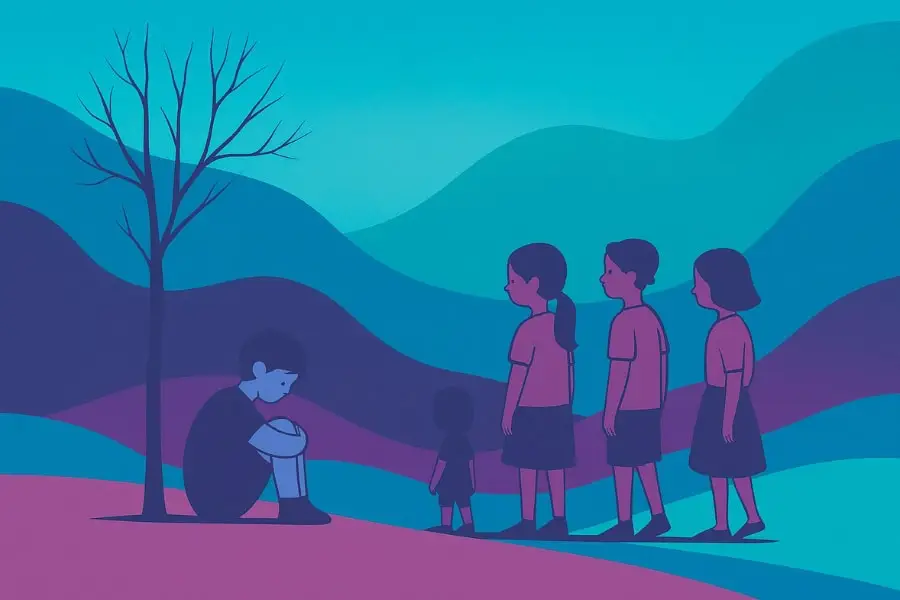
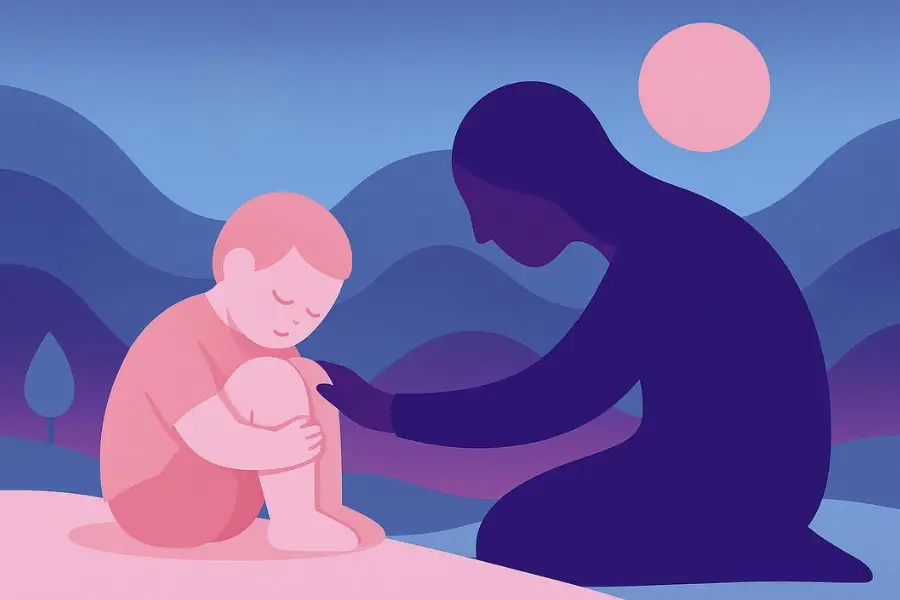
This article explores the gap between halakhic exemption of minors from mourning and their lived grief, proposing Jewish rituals for bereaved children—tragically urgent since October 7.
Rabbanit Sarah Segal-Katz joined 929’s Israeli Kabbalat Shabbat with Rabbi Dr. Benny Lau and live music, sharing insights on Parashat Vayishlach and Dinah.
On the wilderness journey as life metaphor, God's presence in the cloud, dealing with difficulties, and communal responsibility to ease others' burdens.
A lecture on Parashat Vayera offered new perspectives on the Akedah, its meaning for faith, parenthood, and family life, while engaging philosophical and feminist-religious readings on the tension between tradition and contemporary values.