
Persistent silence within educational systems continues to enable sexual abuse. To create safe environments, we must recognize how religious language and communal structures themselves can sometimes shield offenders.
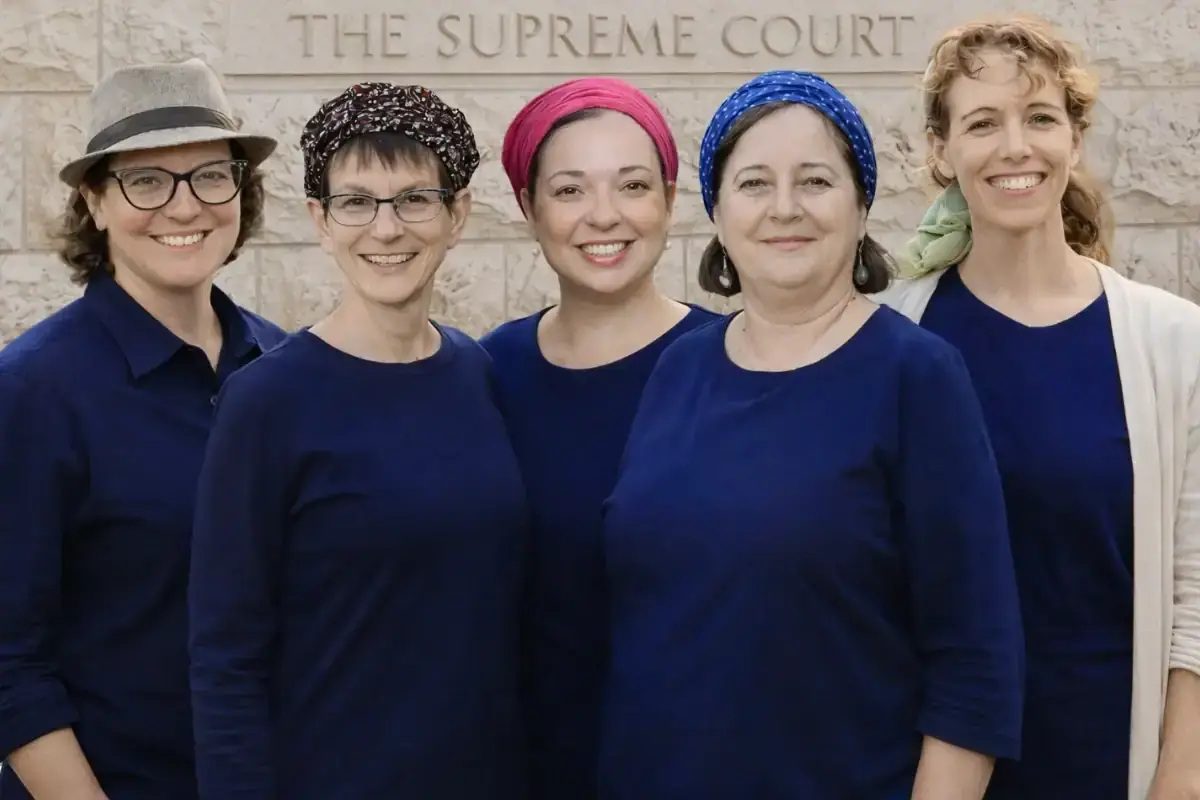
Rabbanit Sarah Segal-Katz published an article responding to the importance of The Source (=Hamakor) investigative program, which exposed years of sexual abuse within a religious educational framework. She highlights the grave failures that allowed for decades of silence—silence that permitted the perpetrator to remain active in schools even after his actions were known. According to Segal-Katz, such abuse is not confined to any one community: it occurs across religious and secular contexts alike. Yet within religious spaces the difficulty of acknowledging its existence is even sharper, as communities view themselves as safe havens and resist dismantling that illusion. She shows how religious language itself can become a tool of denial, concealment, and silencing—whether through the distorted use of concepts like teshuvah and mercy, or through statements defending offenders because of their spiritual status.
Segal-Katz calls instead for an active safeguarding approach: building community-based protective mechanisms, establishing clear ethical boundaries for religious leadership, creating safe reporting systems, and providing targeted training for all those engaged in teaching and education. Alongside existing legislation on sexual harassment, she urges the adoption of a binding code of ethics that sets explicit limits within educational and authority relationships. In her view, real change depends on a combination of communal awareness, moral courage, and the willingness to take responsibility—both to prevent future abuse and to support survivors. She concludes with a call to break the cycle of denial, set new boundaries, and shape religious and educational spaces that are genuinely safe and restorative.