
Dinah’s story in Parashat Vayishlach confronts us with painful questions of sexual violence, silencing, and the absence of the survivor’s voice. Many traditional commentaries focused on Jacob, Shimon, and Levi—and at times even assigned responsibility to Dinah herself—without acknowledging her suffering. In recent years, however, writers, poets, and scholars have sought to restore Dinah’s presence, challenge victim-blaming interpretations, and give her a voice. This renewed engagement with the story of Dinah reveals not only the depth of the biblical text but also the recurring cultural patterns of silencing and erasure.
Dinah’s story in Parashat Vayishlach confronts us with painful questions of sexual violence, silencing, and the absence of the survivor’s voice. Many traditional commentaries focused on Jacob, Simeon, and Levi—and at times even assigned responsibility to Dinah herself—without acknowledging her suffering. In recent years, however, writers, poets, and scholars have sought to restore Dinah’s presence, challenge victim-blaming interpretations, and give her a voice. This renewed engagement with the story of Dinah reveals not only the depth of the biblical text but also the recurring cultural patterns of silencing and erasure.
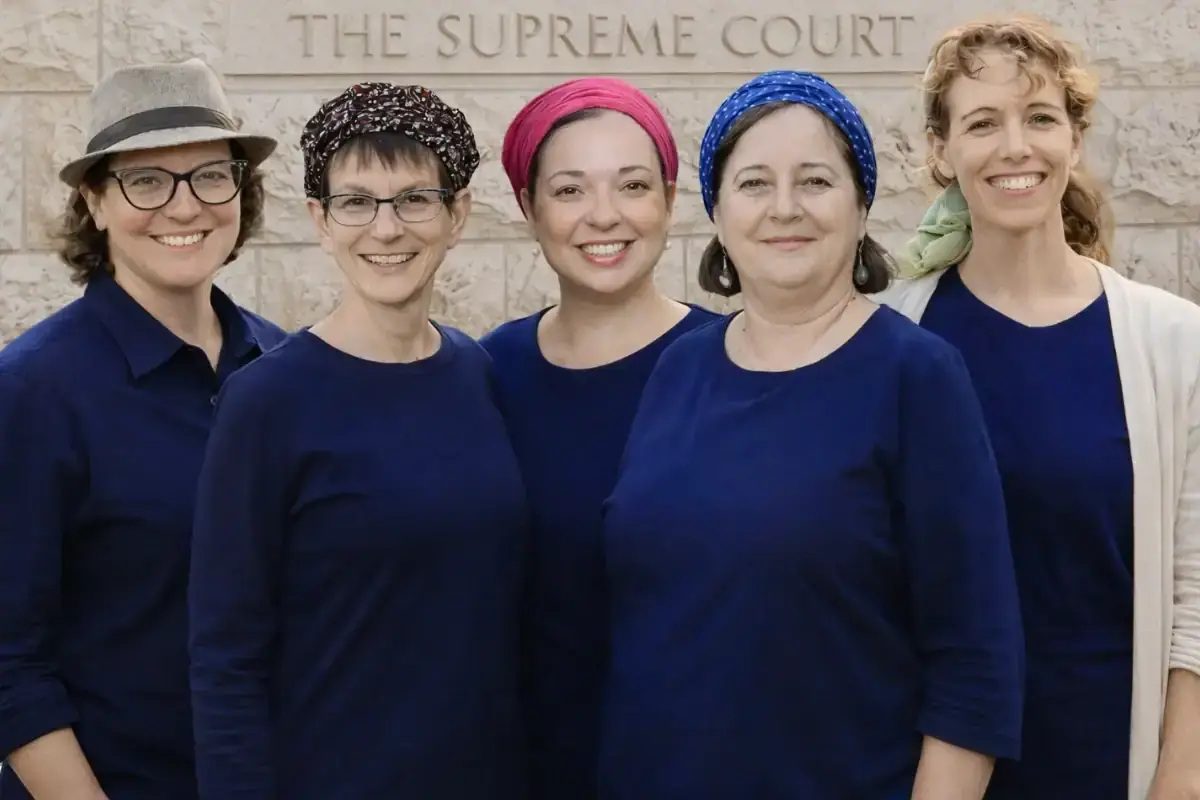
“Partnership Dinah” was founded to establish an annual moment of reflection on this parashah and its social significance. The initiative seeks to give voice to Dinah, to acknowledge the reality of sexual violence, and to strengthen the commitment to safety and prevention across all ages. In light of the atrocities of October 7th—when sexual violence was used as a weapon of terror—revisiting Dinah’s story has become especially urgent: an act of solidarity with survivors, and a call for justice, healing, and cultural change.“Partnership Dinah” was founded to establish an annual moment of reflection on this parashah and its social significance. The initiative seeks to give voice to Dinah, to acknowledge the reality of sexual violence, and to strengthen the commitment to safety and prevention across all ages. In light of the atrocities of October 7th—when sexual violence was used as a weapon of terror—revisiting Dinah’s story has become especially urgent: an act of solidarity with survivors, and a call for justice, healing, and cultural change.