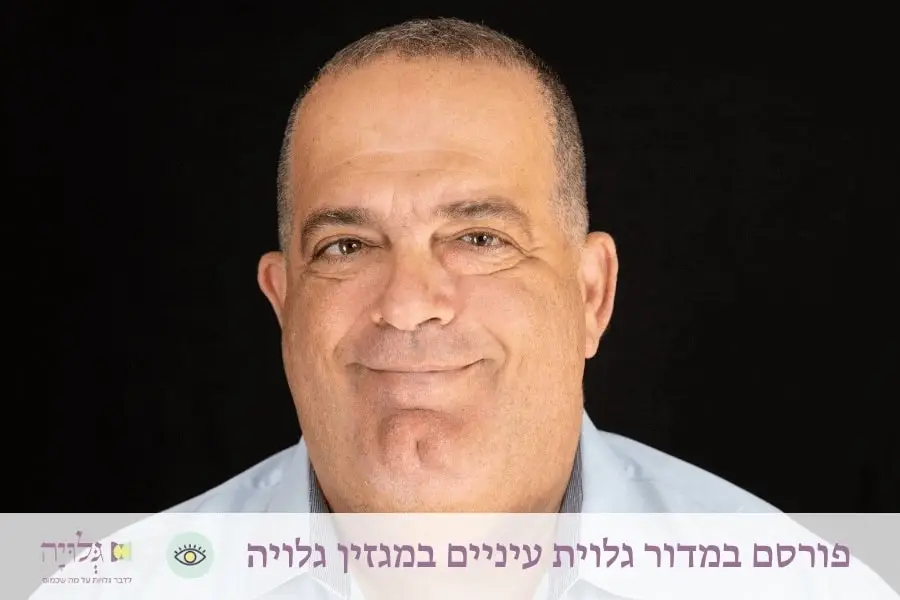
Yitzhak Gvilli, a poet and accountant, moves between two worlds: his primary profession in finance and a poetic practice that has unfolded over the past decade, fulfilling a deep commitment he made to himself in youth. In this interview for the Gluyat Einayim column, he reflects on the trajectory of his life, the sources of his poetry, and the points of contact between personal memory and shared existence.
Gvilli recounts that his experience as a soldier in the First Lebanon War profoundly shaped his identity and opened a lasting channel for writing. His poems are composed gradually, emerging from accumulated notes and fragments. He strives for a Hebrew that is clear, refined, and precise—a language that bridges biblical echoes and modern liturgy, intimate voice and everyday speech.
For Gvilli, poetry is a space for moral inquiry, for engaging pain, and at times for articulating hope. Though he does not define himself as religious, he regards poetry as a kind of secular prayer—a quiet exchange with something beyond.
In the conversation, he also discusses his dialogue with readers on social media, the importance of sustaining a literary voice alongside a stable livelihood, and his continued grappling with questions of consolation, responsibility, and remembrance.