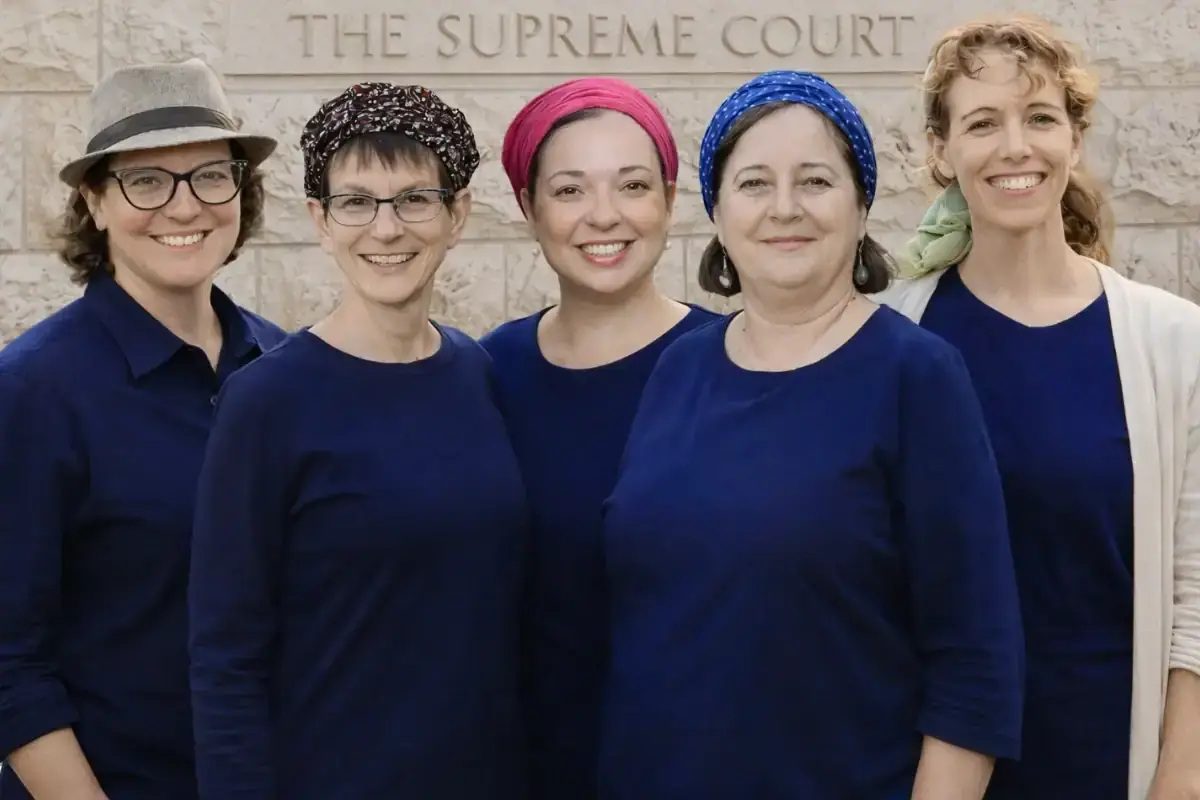

Rabbanit Sarah Segal-Katz highlights the structural gap between female Torah scholars and their male counterparts. Although many women study Torah in depth and possess broad halakhic knowledge, they remain without official recognition from the state and the Chief Rabbinate. The denial of access to the Rabbinate’s ordination exams prevents women from obtaining certification with professional, academic, and economic weight, thereby perpetuating institutional inequality. Segal-Katz underscores the absurdity of the question, “Why do you seek recognition?”—a question never posed to men—and stresses that as long as the state grants rabbinic accreditation, women must be given equal access.
The article further demonstrates how women already serve de facto as halakhic decisors, particularly in the areas of niddah and family purity, offering rulings that combine rigorous textual knowledge with lived experience. This, Segal-Katz argues, opens space for embodied knowledge absent from written texts but deeply present in women’s own lives. Women’s voices in halakhic discourse enrich the field—not only for women, but for couples and men as well. Alongside her critique of institutional discrimination, Segal-Katz articulates a vision for genuine partnership in Torah study and halakhic decision-making, in which female scholars are formally recognized as an integral part of Israel’s religious leadership.