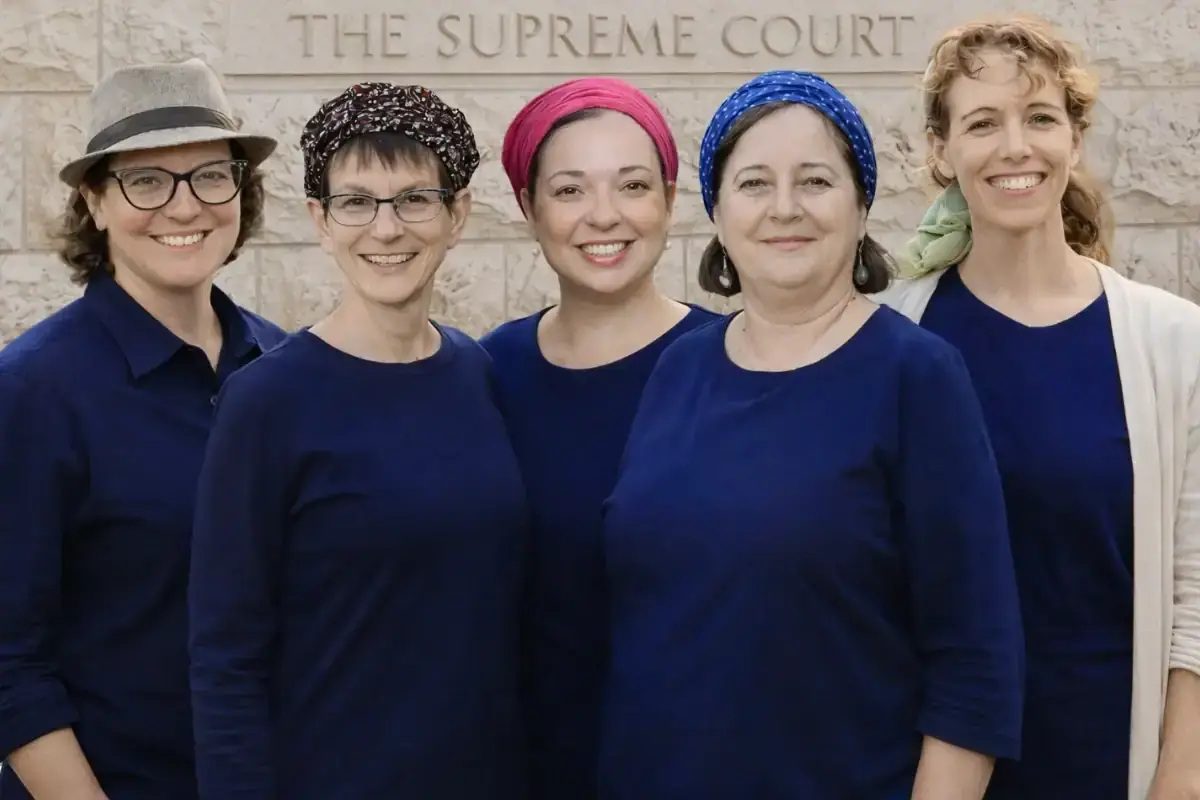

The daily Davar reports that the Chief Rabbinate seeks to grant women limited access to its ordination examinations: women would be permitted to sit exams in Shabbat and niddah within the Rabbinate’s own system, while all other subjects would be administered through a separate, external examination framework to be established. The move accompanies requests for a further hearing and a stay of execution of the July High Court of Justice (HCJ) ruling (Justices Noam Sohlberg, Dafna Barak-Erez, Ofer Grosskopf), which held that denying women access to the Rabbinate’s exams is unlawful discrimination and emphasized the exams’ significant employment and educational consequences, including equivalency to an academic degree in public-sector tenders. According to the report, since the ruling the Rabbinate has not opened registration for the Heshvan sitting, affecting male candidates as well.
In the interview, Rabbanit Sarah Segal-Katz underscores that the proposal itself concedes feasibility: “If women can sit some of the exams, why not the others? … The entire examination system—funded by public money—is relevant to the halakhic lives of men and women alike.” She adds that the exams are not individually tailored; men routinely sit for subjects not directly operative for them, so creating an external, women-only track for the remaining subjects lacks substantive justification. In her view, blocking registration after the ruling reflects non-compliance and coercive gatekeeping; the legally required remedy is to implement the judgment and guarantee equal access is to correct the malfunction and guarantee equal access to all subjects within the state-run system.