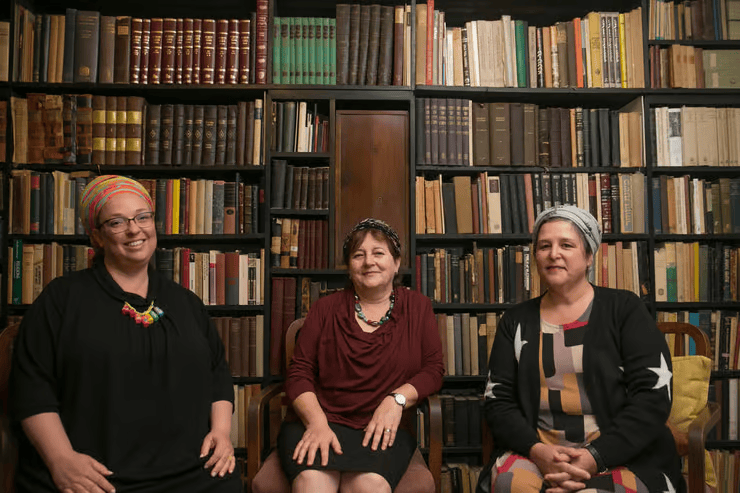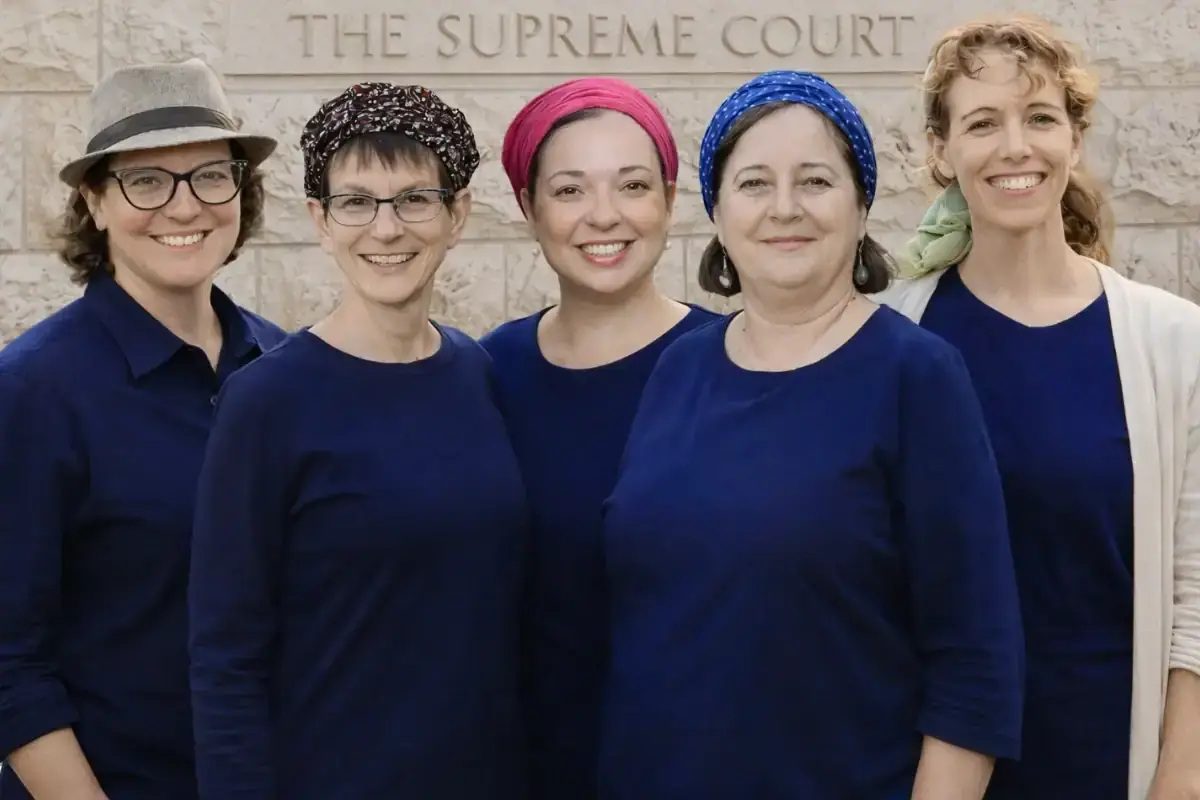

Initial report on implementation hurdles following the HCJ victory on women’s access to Chief Rabbinate exams. A Ynet article by Shilo Fried includes responses from Atty. Yair Mevorach-Shaag, Atty. Dr. Elad Caplan, and Rabbanit Sarah Segal-Katz.
Three months after the High Court of Justice ruled that the Chief Rabbinate must allow women to sit its examinations on equal terms with men, the Rabbinate—through the State Attorney’s Office—now seeks a further hearing and a stay of execution. In its filing, the Rabbinate proposes a narrowed track: women would be permitted to take only selected subjects—chiefly the laws of Shabbat and niddah—citing a purported “relevant difference” between men and women with respect to ordination and Torah study. In parallel, and in order to avoid implementing the ruling, the Rabbinate halted all examinations, including for men, thereby harming candidates who prepared for the November sitting and even blocking preliminary registration.
Rabbanit Sarah Segal-Katz, one of the petitioners, argues that the Rabbinate’s request “takes us backward.” Distinctions regarding differential mitzvah obligations, she notes, cannot justify denying women access to knowledge or to examinations. Historically, no candidate’s personal status—kohen, levi, or yisrael—has determined eligibility for specific exams; by the same logic, sex should not. She adds that the claim of “error in the judgment” risks exposing the Rabbinate as an exclusionary male domain and underscores why discriminatory policies are incompatible with Israel’s civic values. Because these exams carry concrete public benefits—professional-development credits, academic recognition, and eligibility for state tenders—excluding women constitutes gender discrimination that must end.
Atty. Yair Mevorach-Shaag (Itim) calls the Rabbinate’s arguments “embarrassing” and insufficient to justify either a rehearing or a stay. Atty. Dr. Elad Caplan, CEO of Ne’emanei Torah Va’Avodah–Kolech, warns that closing the door to women scholars undermines the Rabbinate’s mission to draw the public closer to Torah and harms society at large.